The short answer
Every B2B webinar should meet five standards: 70%+ of registrants match the ICP, 35 to 45% attend live, 60% are still present at minute 45, 25% take an active action, and sales is in 5 qualified conversations within 14 days. An event that misses one of these has not worked, however good the other four look.
Key takeaways
- Registrations are the wrong number, because a room of forty exact-fit buyers outperforms a room of four hundred.
- The standard that matters most is five qualified conversations for sales within 14 days.
- Four gates on the calendar protect the standards, and a gate that does not clear moves the date.
- A webinar is a campaign with an hour in the middle, and most of the work and pipeline sits either side of it.
- The guest speaker is the distribution channel, bringing an audience your own list cannot reach.
Why are registrations the wrong number for a B2B webinar?
A webinar with six hundred registrations looks like a success in a monthly report. Then sales goes through the list and finds students, vendors, competitors and people who will never buy. The number went up. The pipeline did not move.
In a considered B2B sale the question is not how many people came. It is whether the right people came, whether they stayed, whether they did anything, and whether sales had a real conversation with them afterwards. Each of those can be measured, and each one gets a standard.
What are the five standards every B2B webinar should meet?
An event that misses one of these has not worked, however good the other four look.
70%+
Registrants match the ICP
35 to 45%
Attendance
60%
Still present at minute 45
25%
Take an active action
- Registrants match the ICP, 70%+. The room is built from the account list, not from whoever clicks an ad. Below seventy percent, the topic or the promotion was aimed at the wrong people.
- Attendance, 35 to 45%. Of those who registered, this share turns up live. Lower usually means the reminders were thin or the slot was wrong for the buyer.
- Still present at minute 45, 60%. Retention is the honest test of the content. If people leave, the session was not worth their hour.
- Take an active action, 25%. A question, a poll, a download, a request. Action is the signal that turns an attendee into an account worth following up.
- Qualified conversations within 14 days, 5. The standard that matters most. If sales is not in five real conversations two weeks later, the event did not do its job.
What gates should a webinar clear before it runs?
The standards are protected by gates on the calendar. Each one is a date by which something must be true. If it is not, the event moves.
Four gates before an event runs
35 days before
Topic locked, scored against a six-factor rubric.
28 days before
Outside speaker confirmed, with no selling agreed.
21 days before
Page, tracking and sequences verified.
5 days before
Full rehearsal complete.
A gate that does not clear moves the date. A weak event costs more than a late one.
What does one webinar look like when it is run as a campaign?
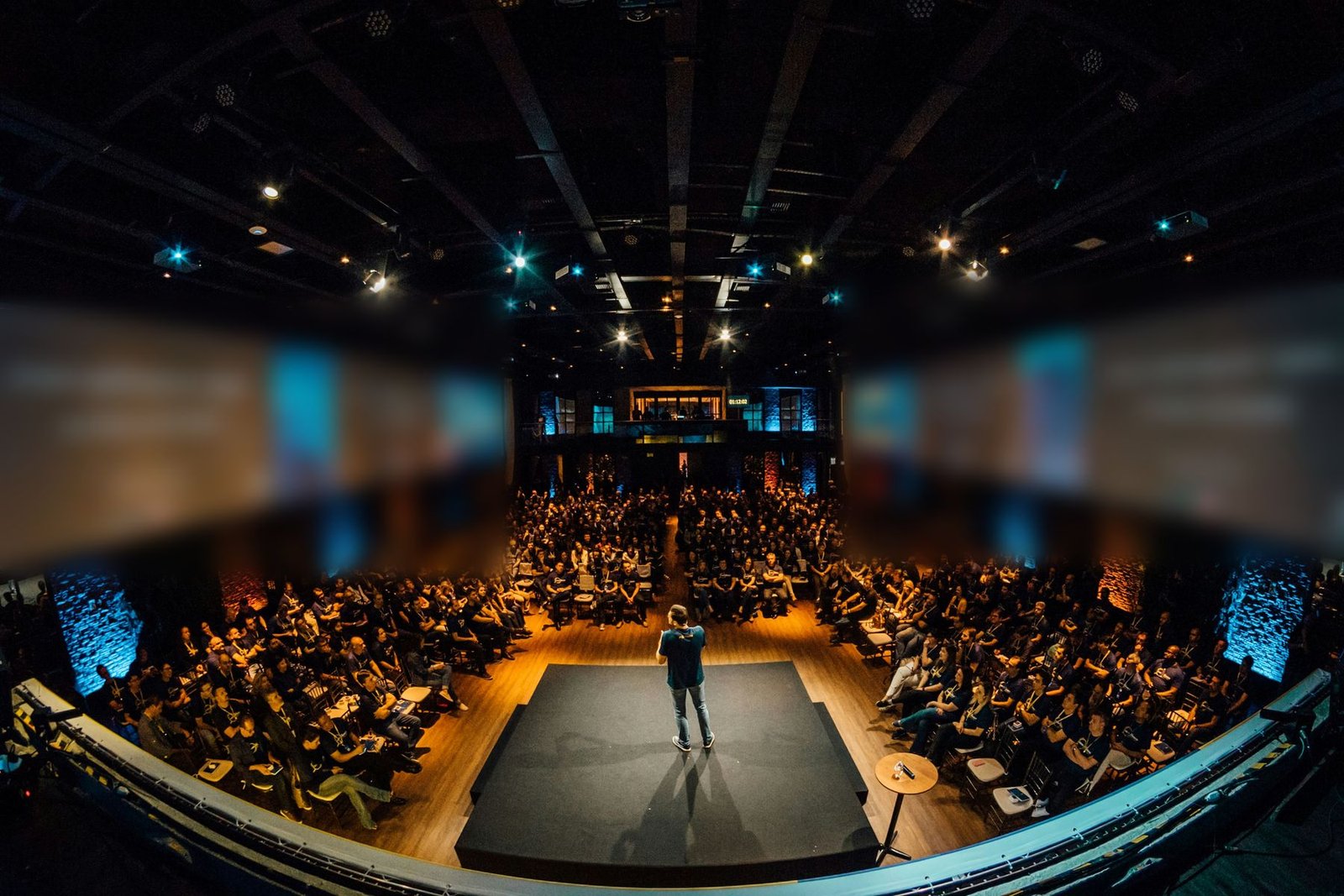
Six weeks before, one hour, three weeks after. A webinar is a campaign with an hour in the middle. Most of the work, and most of the pipeline, sits either side of it.
The shape of one webinar
- Six weeks beforeThe room defined in one sentence. A guest speaker recruited for the audience they bring.
- BeforeInvite list built to 15 times the registration target. Waves from the founder's name.
- Before the hourSix registrant touches before the hour.
- DuringSixty minutes, hard stop. Cold open on the problem, no housekeeping. The guest sets the frame, your expert supplies the depth. Ten minutes where the two disagree. One close, one next step.
- Within 24 hoursEvery registrant tiered.
- Within 48 hoursTier one contacted by the founder. No-shows receive the recording.
- Within 14 daysClips and a sales one-pager. The largest question cluster becomes the next topic.
What principles sit behind a webinar that produces pipeline?
Research chooses the topic. Opinion does not. Topics come from what sales hears on calls, what buyers search for and what the last event's questions clustered around. Scored, then locked.
The guest speaker is the distribution channel. An outside voice the buyer already trusts brings an audience your own list cannot reach, and makes the session worth attending for its own sake.
Every event ships collateral with standalone value. Designed before the invitations go out, so the hour keeps working in sales conversations long after it ends.
What does a webinar run to this standard produce?
For an AI healthcare company selling to health systems, Codax ran five webinars to this standard over seven months, each with a health system speaker beside the company's head of patient access.
- 618 registrants, 71% matching the ICP
- 43% live attendance
- 2.6x registrations for customer-led sessions
- $1.1M qualified pipeline from webinars
None of it came from a bigger audience. It came from the right room, kept for the full hour, and followed up within two days. Read the AI healthcare case study.
For how events fit a wider enterprise programme, read brand and events for large enterprises.
Questions and answers
What is a good attendance rate for a B2B webinar?
Of those who registered, 35 to 45% should turn up live. Lower usually means the reminders were thin or the slot was wrong for the buyer. In five webinars run for an AI healthcare company, live attendance was 43%.
How do you measure the success of a B2B webinar?
Measure it against five standards: 70%+ of registrants matching the ICP, 35 to 45% attendance, 60% still present at minute 45, 25% taking an active action and 5 qualified conversations within 14 days. The last one matters most. If sales is not in five real conversations two weeks later, the event did not do its job.
How long should a B2B webinar be?
Sixty minutes, with a hard stop. Open cold on the problem with no housekeeping, and close with one next step. Retention is the honest test of the content, so 60% of attendees should still be present at minute 45.
How far in advance should you plan a B2B webinar?
Plan around six weeks before the hour. The topic is locked 35 days out, the outside speaker confirmed 28 days out, the page, tracking and sequences verified 21 days out and a full rehearsal complete 5 days out. A gate that does not clear moves the date.
Why use a guest speaker on a B2B webinar?
The guest speaker is the distribution channel. An outside voice the buyer already trusts brings an audience your own list cannot reach, and makes the session worth attending for its own sake. For an AI healthcare company, customer-led sessions drew 2.6x the registrations.